

Natural Sea Water vs Synthetic Salt Mix for Marine Aquariums
Natural sea water is real ocean water, collected away from the shore, filtered and tested for aquarium use. Compared with synthetic salt mixed into RODI water, it carries the full range of trace elements plus living bacteria and plankton, but costs more per litre. Synthetic mix is cheaper and identical every batch. Both can run a thriving marine aquarium.
This guide is for UK marine and reef keepers deciding which water to use. It explains how natural seawater is collected and stored, compares it with synthetic salt mix side by side, covers whether you can safely use ocean water from your local beach, and helps you choose the right option for your tank and budget.
Updated October 2026 by the Natural Seawater Supplier team.
Key takeaways
- Natural seawater averages about 35 parts per thousand (ppt) salinity, roughly specific gravity 1.025–1.026, which is the same target most reef keepers mix synthetic salt to.
- Synthetic salt mix plus RODI water is the cheapest option per litre, typically a few pounds per 25 litres, but you need an RODI unit, mixing time and storage space.
- Natural seawater contains live bacteria, phytoplankton and zooplankton plus trace elements that no salt mix fully reproduces; it varies slightly through the year.
- Collecting water from a UK beach yourself is risky: sewage overflows, rainwater runoff, low salinity near rivers and unwanted organisms are all common near the shore.
- Natural Seawater Supplier, based in Croydon, London, delivers professionally collected natural seawater for marine aquariums anywhere in the UK, 7 days a week, priced per order by postcode, with a free 25-litre trial for new customers.
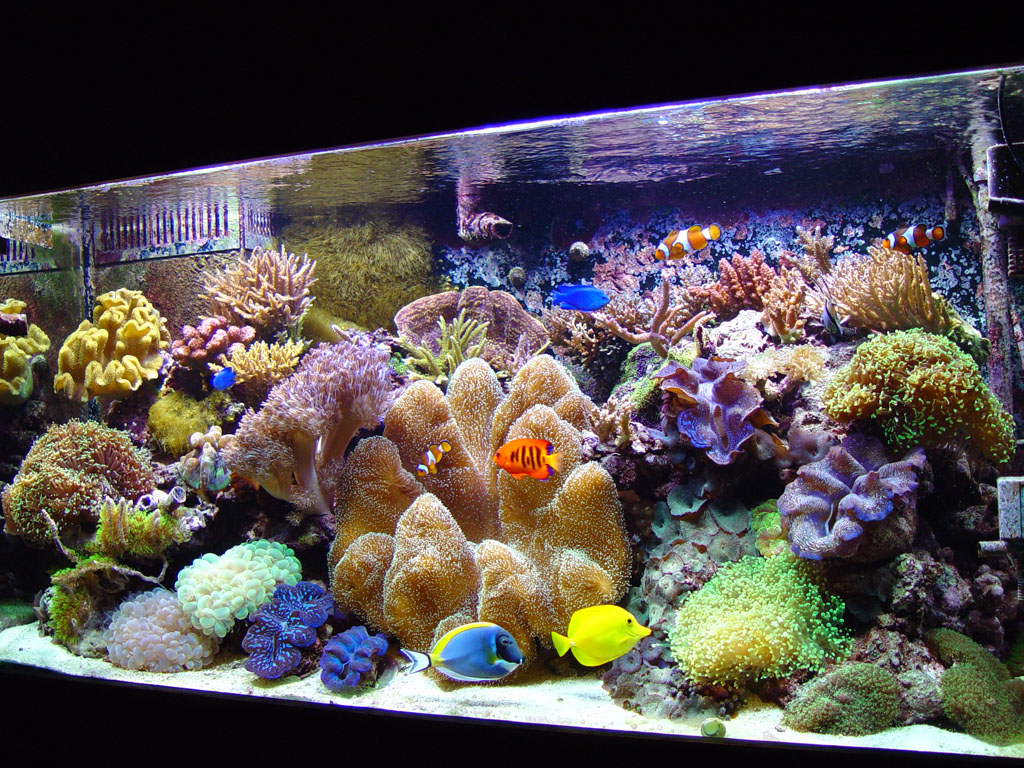
What is natural sea water?
Natural sea water (often shortened to NSW by hobbyists) is water taken directly from the ocean rather than made by dissolving manufactured salt in purified water. Average ocean salinity is about 35 ppt, meaning roughly 3.5% of seawater’s weight is dissolved salts, according to NOAA’s National Ocean Service.
Those salts are mostly sodium and chloride, followed by magnesium, sulphate, calcium and potassium, with dozens of trace elements such as iodine, strontium, zinc and cobalt in tiny amounts. Unlike bagged salt, real seawater also carries life: marine bacteria, phytoplankton (single-celled algae) and zooplankton (tiny animals and larvae). That living fraction is the biggest difference between the two options.
Natural sea water parameters
Our seawater is tested regularly. Typical readings vary slightly through the year, but sit comfortably inside reef targets:
| Parameter | Typical natural seawater (NSW) | Common reef target |
|---|---|---|
| Salinity | 34–36 ppt | 35 ppt (SG 1.025–1.026) |
| pH | 8.0–8.3 | 8.0–8.4 |
| Alkalinity | 7.5–8.6 dKH | 7–11 dKH |
| Calcium | 400–450 ppm | 400–450 ppm |
| Magnesium | 1250–1350 ppm | 1250–1400 ppm |
| Nitrate | 0–0.9 ppm | 1–10 ppm (reef) |
| Phosphate | 0–0.05 ppm | 0.02–0.1 ppm |
| Ammonia / nitrite | 0 / 0 | 0 / 0 |
| Silicate | 0–0.1 ppm | As low as possible |
For what each parameter means and what to do when one drifts, see our guide to marine tank water parameters and testing.
How is natural seawater collected, filtered and stored for aquariums?
Seawater for aquariums is not scooped from the shoreline. Reputable suppliers and public aquariums follow the same broad process:
- Collect away from the shore. Water is taken from clean, open water well away from river mouths, harbours, storm outfalls and bathing beaches, where pollution and freshwater dilution are lowest.
- Filter out particles. Mechanical filtration removes sand, silt and debris while leaving dissolved minerals and the smallest plankton.
- Test every batch. Salinity, pH, alkalinity, calcium, magnesium, nitrate and phosphate are checked so you know exactly what you are adding to your tank.
- Store and transport cleanly. Water goes into food-grade containers that have never held chemicals. Ours are food-grade HDPE 25-litre containers.
How should you store natural seawater at home?
- Keep containers sealed, cool and dark (a garage or shed is fine) to stop algae growing.
- Use it within a few days if you want the most benefit from live plankton; stored well, it remains usable for water changes for several weeks.
- Before use, check salinity, bring it to tank temperature (about 25–26°C) and give it a sniff. Clean seawater smells fresh; a rotten-egg smell means hydrogen sulphide has formed, so do not use it.
- For long storage, a small powerhead or airstone in a larger vat keeps water oxygenated.
How does natural sea water compare with synthetic salt mix?
Synthetic salt mix (also sold as synthetic sea water or reef salt) is a blend of manufactured salts designed to match seawater chemistry when dissolved in RODI water. Here is how the two compare in practice.
| Factor | Natural sea water | Synthetic salt + RODI |
|---|---|---|
| Cost per 25 L (approx., as of October 2026) | Quote by postcode (delivered, ready to use) | About £3–£5 for salt and RODI consumables, plus the RODI unit itself |
| Preparation | None: arrives ready to use | Make RODI water, mix, heat and circulate for 12–24 hours, test |
| Batch consistency | Very stable, small seasonal variation | Identical every batch if mixed carefully; mixing errors are common |
| Major elements (Ca, Mg, Alk) | Natural ocean levels | Set by brand; some mixes run high to boost growth |
| Trace elements | Full natural spectrum | Main ones included; exact profile differs by brand |
| Live bacteria and plankton | Yes | No (sterile) |
| Pollutant risk | Low when professionally collected; high if self-collected near shore | Very low, as long as the RODI unit is maintained |
| Space and kit | Storage for containers only | RODI unit, mixing vat, heater, pump, salt storage |
| Best for | Busy keepers, new tank fills, mixed reefs, people without an RODI unit | Large tanks on a tight budget, very precise SPS dosing regimes |
Cost: which is cheaper?
Synthetic salt is cheaper per litre, and it would be misleading to say otherwise. A 22 kg bucket of a popular reef salt costs approx. £75 in UK shops as of October 2026 and makes about 660 litres, which is roughly £2.80 of salt per 25 litres. Add RODI cartridge and resin replacements, the water an RO unit sends to drain, and electricity to heat and circulate the mix, and most keepers spend £3–£5 per 25 litres before counting their time.
Delivered natural seawater is priced per order by postcode and quantity, and it costs more per litre than mixing your own. The gap narrows if you would otherwise buy premixed saltwater from a shop or have no RODI unit yet, and delivery saves the time, kit and carrying. Our aquarium saltwater delivery guide explains how ordering, containers and pumping work.
Consistency and stability
Real seawater is buffered by the ocean, so its salinity, alkalinity and pH change only slightly through the year. Synthetic mix can be perfectly consistent, but only if you weigh the salt, mix for long enough and test every batch. Under-mixed salt, a tired RODI membrane or forgetting to heat the water before a change are some of the most common causes of sudden parameter swings.
Trace elements and biology
Good salt brands include the main trace elements, and many reefs grow beautifully on them. What a bag cannot contain is life. Natural seawater adds bacteria that help with nutrient processing and phytoplankton and zooplankton that filter feeders, many corals and fan worms take as food. Keepers who switch often report better polyp extension and colour; we cover the reef-specific effects, and how to switch safely, in why natural seawater is a game-changer for reefkeepers.
Can I use sea water for my aquarium?
Yes, you can use sea water for an aquarium: natural seawater is perfectly suitable for marine fish, corals and invertebrates, and many public aquariums and research labs run on it. The important part is where it comes from. Seawater that has been collected from clean offshore water, filtered and tested is safe; water scooped from the nearest beach is a gamble.
Can I use ocean water from the beach for my saltwater aquarium?
You can use ocean water from a UK beach, but we don’t recommend it for a reef or fish tank you care about. Near-shore water around the UK carries several risks:
- Sewage. Storm overflows still discharge into rivers and coastal waters. The Environment Agency recorded 291,492 storm overflow spill events in England in 2025 (GOV.UK, March 2026), and those nutrients and pathogens end up at the coast.
- Runoff and pollutants. Fertiliser, oil, metals and microplastics wash off roads, farms and harbours, especially after rain.
- Low or unstable salinity. Near river mouths and estuaries, fresh water dilutes the sea and salinity can swing with the tide.
- Unwanted organisms. Shore water can bring in hydroids, nuisance algae spores, parasites and bacteria you would rather keep out of a closed system.
- Sediment and handling. Waves stir up silt, and household containers may have held chemicals.
If you do collect your own, go well away from outfalls, rivers and harbours, avoid collecting after heavy rain, use only new food-grade containers, let the water settle in the dark, test salinity and nutrients, and never add it straight to a tank with livestock. Reef Builders has a good overview of the practical challenges.
Who should choose natural sea water, and who should choose synthetic?
| You are… | Our honest suggestion |
|---|---|
| A beginner setting up your first tank | Either works. Natural seawater removes the need to buy an RODI unit straight away and avoids mixing mistakes while you learn. |
| Filling a new tank | Natural seawater saves days of mixing and heating hundreds of litres, and adds bacteria at the start. |
| Running a mixed reef (soft corals, LPS) | Natural seawater is an excellent fit; regular changes replenish trace elements and plankton. |
| Running a high-demand SPS system with precise dosing | Many keepers use synthetic for full control; some use natural seawater for water changes alongside dosing. |
| Keeping a very large tank on a tight budget | Synthetic mix is usually cheaper at scale if you already own an RODI unit. |
| Short on time or space, or living in a flat | Delivered natural seawater; we can even pump it straight into an upstairs tank. |
If you are still choosing equipment and livestock, our saltwater aquarium guide for beginners and step-by-step reef tank setup guide walk through the rest of the process, including cycling.
How do you use natural sea water for water changes?
- Check the salinity of the delivered water and of your tank. Match them within 1 ppt (about 0.001 SG).
- Bring the new water to tank temperature with a heater, usually 25–26°C.
- Turn off return pumps and skimmer, then remove the old water, siphoning detritus from the sand as you go.
- Add the new natural seawater slowly, restart the equipment and check the heater is submerged.
- Top up evaporation with fresh RO or RODI water, not seawater, so salinity stays stable.
Most reef tanks do well on 10–20% every one to two weeks. For a fuller schedule by tank type, read how often and how much water to change in a saltwater aquarium.
Want to see the difference for yourself? New customers can claim 25 litres of natural seawater free, or get a quote for regular delivery to your postcode.
Related reading: see which public aquariums pump real seawater in our guide to the largest aquarium in the world, and why sensitive species do well in natural water in our seahorse aquarium guide.
Thinking of switching from salt mix?
Compare the real cost and effort in reef salt vs natural seawater, then try 25 litres free. Get a quote for your postcode or claim 25 litres free, or call 020 7183 4175.
Frequently asked questions
Can I use sea water for my aquarium?
Yes. Natural seawater is ideal for marine fish, corals and invertebrates as long as it has been collected from clean water, filtered and tested. Many public aquariums run on it. The risk comes from water collected near the shore, which can contain sewage, runoff and unwanted organisms.
Can I use ocean water from the beach for my saltwater aquarium?
Using ocean water from a UK beach is possible but risky. Shore water around the UK can be polluted by storm overflows and runoff, diluted by rivers and full of sediment. If you collect your own, go far from outfalls and estuaries, avoid rainy periods, store it dark in food-grade containers and test it before use.
Is natural sea water better than synthetic salt mix?
Natural sea water contains living bacteria, plankton and the full range of trace elements, and it needs no mixing. Synthetic salt is cheaper per litre and perfectly consistent if mixed carefully. Both can run a healthy reef; the best choice depends on your budget, time and tank.
What are the parameters of natural sea water?
Typical natural seawater measures 34 to 36 ppt salinity, pH 8.0 to 8.3, alkalinity 7.5 to 8.6 dKH, calcium 400 to 450 ppm and magnesium 1250 to 1350 ppm. Nitrate is 0 to 0.9 ppm, phosphate 0 to 0.05 ppm, and ammonia and nitrite are zero. Figures vary slightly through the year.
How long does natural seawater last once delivered?
Stored sealed, cool and dark, natural seawater stays usable for water changes for several weeks. Use it within a few days to get the most benefit from live plankton. Always check salinity and smell before use, and discard any water that smells of rotten eggs.
Where can I buy natural sea water in the UK?
Natural Seawater Supplier, based in Croydon, London, delivers natural seawater across the UK seven days a week, priced per order by postcode and quantity. The team can fill your containers or pump straight into your aquarium. New customers can claim a free 25-litre trial.
Sources
- NOAA National Ocean Service: Why is the ocean salty?
- GOV.UK (Environment Agency): Fewer and shorter storm overflow spills in 2025, new monitoring data shows
- Reef Builders: Challenges of collecting natural sea water for a marine aquarium
Bottom line
Natural sea water and synthetic salt mix can both keep a marine aquarium healthy. Synthetic is cheapest per litre and fully controllable; natural seawater is ready to use, naturally balanced and alive with bacteria and plankton. Avoid collecting from the beach yourself. If you want the real thing without the risk, use a supplier that collects offshore, filters and tests every batch.
Largest Aquarium in the World (2026): Top 10 Ranked
October 19, 2026 @ 2:11 pm
[…] benefits the big public aquariums do, without an offshore pipeline. We explain the pros and cons in natural sea water vs synthetic salt mix, and how reefkeepers switch safely in why natural seawater is a game-changer for reefkeepers. If […]
Seawater Delivery London | £7.99 per 25 L, 7 Days a Week
October 19, 2026 @ 2:10 pm
[…] Water cost excludes delivery, which is quoted for your postcode. Setting up a new tank? Work out your first fill with how much saltwater you need to fill an aquarium; filling with natural seawater gives a new system a head start, as explained in natural seawater vs synthetic salt. […]
Premixed Saltwater for Aquariums: UK Guide 2026
October 19, 2026 @ 2:08 pm
[…] work. The differences are in consistency, convenience and what is in the water. Our article on natural seawater vs synthetic salt goes deeper into the […]
Wholesale Sea Water UK | Natural Seawater for the Trade
October 19, 2026 @ 2:06 pm
[…] your own retail price. If customers ask how natural seawater compares with salt mix, our article on natural seawater vs synthetic salt is a good one to share, and our guide to where to buy sea water in the UK lays out every option […]
Marine Tank Water: Ideal Parameters, Testing & Top-Off
October 19, 2026 @ 12:39 pm
[…] compare the first two in detail in natural sea water vs synthetic salt mix. Whichever you choose, keep using the same source so your parameters stay […]
February 15, 2021 @ 2:40 pm
Do you deliver water to Wiltshire
September 25, 2023 @ 6:30 am
Yes we do. Just fill in the quote form on our website and we can help you.